

Human experience is defined by a spectrum of emotions that shape our lives and relationships. These emotions, like joy, sorrow, love, and fear, weave the fabric of our existence, creating a sense of connection in life and a profound sense of loss in death. Through personal narratives and universal truths, we see how feelings form the core of who we are, binding us together and echoing in our absence.
The Wholeness of Being Alive is when we connect with others, we exchange part of our emotional worlds, creating experiences that fill our lives with meaning. Whether fleeting or lifelong, they accumulate into a sense of completeness, a wholeness that anchors us in the present and enriches our future. Each shared feeling is a brushstroke on the canvas of our relationships, painting a picture of who we are and who we love.
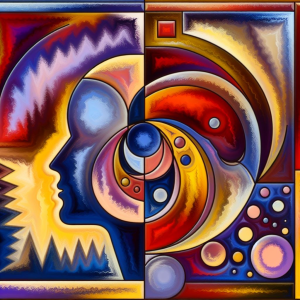
Consider the story of Meera, a young woman who grew up in a close-knit family. Every Sunday, her grandmother, Samrudha, would gather the family for a homemade meal. The kitchen was alive with laughter, the clinking of dishes, and the warmth of stories shared over steaming plates of delicious food. Samrudha’s pride in her cooking, her gentle teasing of Meera’s picky eating, and her life stories in Jaisalmer, Rajasthan, were more than just moments—they were the glue that bound the family together. For Meera, these Sundays were a source of wholeness, a reminder that she belonged to a lineage of love and resilience. Samrudha’s presence was a constant, a heartbeat that pulsed through every gathering, making Meera feel complete.
Or take the example of Raju, a high school teacher who found an unexpected connection with one of his students, Aria. Aria was quiet, often lost in her sketchbook, but Raju noticed her talent and encouraged her to share her art. Over time, their conversations grew about creativity, dreams, and the challenges of growing up. When Aria won a local art contest, Raju was there, beaming with pride as if she were his own daughter. That shared moment of triumph, the exchange of mentor and student, filled both their lives with a sense of purpose and connection. For Raju, Aria’s growth was a thread in his tapestry, a reminder that teaching was about more than lessons—it was about building lives.
Such life stories around us show us how the collection of feelings—love, pride, joy, empathy—creates experiences that make us feel whole. While alive, a person is a living collection of emotions, contributing to the richness of those around them. The parent who cheers at a football game, the friend who listens through a midnight phone call, the stranger who offers a kind word on a bad day—their presence weaves threads of connection that form the fabric of our lives. This wholeness is dynamic, ever-evolving with each new interaction, each new memory.
The Void of Loss happens when someone passes away, their unique collection of feelings—their verse in our life’s poem—falls silent. The experiences they co-created with us, the emotions they evoked, vanish, leaving a void that reverberates with their absence. This void is not merely the loss of their physical presence but the absence of the shared moments that defined our bond. It is the silence where their laughter once rang, the emptiness where their comfort once soothed.
For Meera, the void came when Samrudha passed away. The Sunday gatherings continued, but the kitchen felt hollow without Samrudha’s commanding presence. The recipes were the same, but the stories were missing, the teasing silenced. Meera found herself reaching for her grandmother’s voice, only to be met with the ache of her absence. The void was not just the loss of Samrudha’s physical presence but the end of the experiences they shared—the way Samrudha’s eyes sparkled when Meera finally tried her hand at cooking, the quiet moments when they’d sit together, watching the sunset. That void was a testament to the depth of their bond, a space carved out by the love they shared.
Similarly, Raju felt a profound loss when he learned that Aria, now a young adult, had passed away in a car accident. The news hit him like a wave, washing away the memories of their shared triumphs. He remembered the day she gave him a sketch she’d drawn of them together, a token of gratitude for his encouragement. That sketch, now framed on his desk, became a symbol of the void she left. The pride he felt in her success, the hope he had for her future, the quiet bond they’d built—those feelings were now tethered to an absence. The void was not just Aria’s death but the loss of the potential for more moments, more sketches, more shared dreams.
These voids are deeply personal, shaped by the unique role each person plays in our lives. The grandparent who taught us patience, the sibling who shared our secrets, the partner who knew our flaws and loved us anyway—their absence reshapes our emotional landscape. Grief is the language of this void, a way of honouring the wholeness their presence once provided. It is a reminder that the depth of our sorrow mirrors the depth of our love.
Embracing Life Through Connection: Understanding life as a collection of feelings invites us to live with intention, to cherish the moments that build our tapestry. It urges us to be present for the laughter, the tears, the quiet exchanges that form the backbone of our relationships. Each interaction is an opportunity to create wholeness, to weave new threads into the fabric of our lives.
Take the example of Sajna, a close friend of mine, who is a nurse who works in a hospice care unit. Every day, she sits with patients, listening to their stories, holding their hands, and offering comfort. One patient, Mr. Girija shankar, was a retired musician who loved to talk about his days playing sitar. Sajna would listen, laughing at his tales of missed notes and wild nights during his peak days. When Mr. Girija Shankar passed, Sajna felt the void of his absence, but she also carried the wholeness of their connection. Those conversations, though brief, had filled her with a sense of purpose, reminding her why she chose her profession. By embracing those moments, Sarah wove a thread of meaning into her life, even in the face of loss.
Or consider the community of a small town that came together after a tragic fire accident claimed the life of Pushpa Tai, who loved to bake. She had bakery built after her husband passed away and soon it became the heart of the town, a place where people gathered not just for bread, buns, cookies, cake and stuffed patties but for connection and it became everyday part of life. After her passing, the townspeople organized a memorial, sharing stories of Pushpa Tai’s kindness—how she’d slip extra cookies to kids, how she’d listen to anyone’s troubles with a warm smile. The void of her absence was palpable, but the act of coming together, of sharing those memories, created a new kind of wholeness. Pushpa Tai’s legacy lived on in the community she’d nurtured, a testament to the power of her feelings and the experiences she created.
Living with the Balance of Wholeness and Void is the core essence of life. It is a delicate balance of wholeness and void, a dance of feelings that shapes who we are and how we love. The collection of feelings we share with others, through stories, laughter, tears, and quiet moments, forms the experiences that make us feel complete. And when those we love pass away, the voids they leave are not just spaces of loss but markers of the love we shared, the lives we built together.
To live fully is to embrace this beautiful life with an open heart. It is to collect feelings with intention, to create experiences that fill our lives with meaning. It is to hold space for the voids, to honour the absences by remembering the wholeness they once brought. In doing so, we weave a life rich with connection, a life that resonates with the beauty of human emotion.
Let us, then, cherish the people in our lives—they can have any name, but the beauty is the connection one has with them, the feelings that slowly become part of our experience since we accept the feelings with awareness. These moments of awareness matter, and knowing each other expands and draws one closer to life and its expression of connectivity, and when time for void, we should be ready to carry the echoes of those feelings forward, a reminder that love, in all its forms, is eternal.
~ Sri Adi Maitreya Rudrabhayananda ji (Sri AMaRa ji)
Soul Searchers intends to raise the consciousness of 20 million people. It aims to help create a turning point on this planet. It envisions a world where people are in tune with their inner selves. They will live healthy and creative lives. They will no longer be swayed by religious dogma or politics. The purpose is to restore the state of righteousness (dharma). This is crucial in the current state of political turmoil. It also addresses selfishly motivated people. We believe the truth can be known and realized through guided and workable ways.
#Adimaitreya #Maitreya #Guru #satguru #Life #Emotion #Connection #Expansion #Sadhguru Void #Emptiness
 Maitreya Wisdom